

Older adults often live with multiple chronic conditions, leading to complex regimens with several medication regimens (polypharmacy) and preference-based, “trial-and-error” prescribing. Those challenges increase the risk of adverse drug events that can cause falls, ER visits, hospitalizations, and premature death. Interdisciplinary teams, including those at PACE and hospice organizations, rarely get full visibility into the science that enables safer, more effective prescribing. Without the information and tools necessary to take proactive medication safety measures, the team becomes reactive to medication-related problems. ChorusRx shows teams the full score so you can address risks and prevent ADEs.
Built on the latest clinical evidence, ChorusRx’s MUSIC™ platform uses AI-powered risk analytics to evaluate the entire regimen and uncover hidden medication safety risks across complex factors.
Clinically Integrated Pharmacists™ help turn those insights into clear, personalized recommendations, so providers are empowered to make informed medication decisions, prevent adverse drug events, and improve outcomes.
Precision Medication Science
How ChorusRx Turns Analysis Into Action
Traditional medication regimen analysis uses decades-old, one-to-one drug interaction systems built on outdated medication safety guidelines. That leaves providers managing the noise of contradictory alerts and the guesswork required with incomplete insights.
ChorusRx’s MUSIC™ (Multi-Drug, Use, Safety, & Interaction Compass) platform combines the latest clinical evidence with AI-powered analytics to provide a deep, real-time view of each medication regimen. We go beyond traditional risk scores to Optimization Opportunity scores that drive clinical, economic, and humanistic outcomes.
MUSIC evaluates the full medication regimen at once, so your team can see more and do more.
Cumulative Drug Burden
Each medication added to a regimen can increase physical and cognitive load.
“Every note carries weight.”

Simultaneous Multi-Drug Interactions
Taken together, medication can interact with each other and with a person’s biology.
“Striking the right chords.”
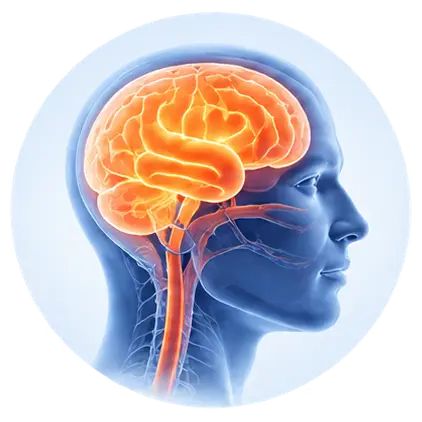
Risk Factors Become Clinical Effects
Medication safety risks translate into real effects on the person’s mind and body, which can impact their health, function, and quality of life.

CNS Effects
May impact mood, cognition, memory, and nervous system function.

CV Effects
Can affect heart rhythm, blood pressure, and cardiovascular health.

Pulmonary Effects
May influence lung function and respiratory health.

Hepatic Effects
Can impact liver function and metabolism.

Renal Effects
May affect kidney function and fluid balance.

Genitourinary Effects
Can influence urinary function and reproductive health.
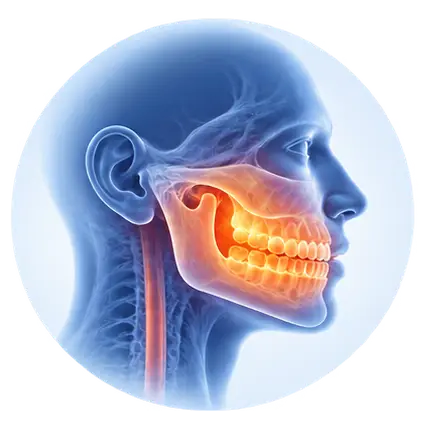
Oral Effects
May cause changes in oral health and salivary function.

Mobility Effects
Can impact muscles, bones, and joint function.

Actionable Recommendations
How Data and Direction Power Prevention
With a deep, real-time view of every medication regimen, our Clinically Integrated Pharmacists use MUSIC™ to help prevent costly adverse drug events, avoid unwanted side effects, and align therapy with each patient’s goals of care.
Change time of administration for Medication A
Discontinue
Medication B
Adjust Dose of
Medication C

Recommendations are evidence-based and documented directly in the EHR as part of the interdisciplinary team’s existing workflow. Common interventions include adjusting administration timing, deprescribing, and therapeutic substitutions.
These insights can also support broader quality initiatives, including falls prevention, pain management, and chronic disease management.
See how MUSIC™ works.
PACE and Hospice Partner Benefits
How Informed Interventions Improve Outcomes
When medication safety risks are identified early and the right interventions are put into action, the impact goes beyond the regimen, improving outcomes for participants, interdisciplinary teams, and programs.
falls
of life
staff time
specialist referrals
medical costs
What Measurable, Meaningful Results Look Like
- Chronic Care, Medication Optimization, PACE
- Chronic Care, Medication Optimization, Pharmacy
- Medication Optimization, PACE, Pharmacy
Our programs achieve as high as 12:1 return on investment.
By proactively reducing medication risk, ChorusRx partners can expect medical cost savings through prevented falls, ER visits, and hospitalizations—along with staff efficiencies and fewer outside referrals.
We don’t just promise results. We back them.
ChorusRx aligns our success with yours by offering performance guarantees. If we don’t deliver clinical and financial outcomes, we share the risk.
Institute of Precision Medicine
Advancing the Science of Medication Safety
The Institute of Precision Medicine is the professional education and training division of ChorusRx.
Through structured certifications, the Institute establishes and maintains a professional standard for Clinically Integrated Pharmacists™ providing precision pharmacy services and practicing collaborative drug therapy management (CDTM) for PACE and hospice teams.
About ChorusRx Science & Outcomes
Frequently Asked Questions
What is medication regimen optimization, and how is it different from a standard drug interaction check?
What are drug–gene interactions, and why do they matter for older adults?
Pharmacogenomic (PGx) interactions, also known as drug-gene interactions, occur when a person’s genetic variations affect how they process or respond to certain medications. For older adults managing multiple conditions and prescriptions, PGx insights can help clinicians personalize treatment and reduce the risk of adverse drug reactions.
What is cumulative drug burden, and why is it important?
Cumulative drug burden refers to the combined effects and risks of multiple medications taken together. Evaluating this burden helps clinicians identify medication-related risks that may not be apparent when reviewing each prescription individually.
What are simultaneous multi-drug interactions?
Simultaneous multi-drug interactions involve the combined effects of multiple medications, which may create risks beyond individual drug–drug interactions. Evaluating these interactions helps clinicians better understand the overall safety of complex medication regimens.
How does MUSIC™ support medication safety and regimen optimization?
MUSIC™ is ChorusRx’s medication intelligence platform, designed to go beyond individual medication alerts by evaluating cumulative drug burden and complex drug–drug, drug–disease, and drug–gene interactions. It helps clinicians identify meaningful opportunities to optimize medication regimens and make more informed treatment decisions.
How can medication optimization help reduce fall risk in older adults?
Certain medications and combinations can contribute to dizziness, sedation, or changes in blood pressure that increase fall risk. Comprehensive medication reviews help clinicians identify these risks and consider safer alternatives or adjustments as part of a broader falls prevention strategy.
What is deprescribing, and how does it support safer medication use?
Deprescribing is the supervised process of reducing or discontinuing medications when their potential risks outweigh their benefits. As part of medication optimization, it can help reduce unnecessary medication burden while maintaining appropriate treatment for each patient’s needs.